
Why Banks Still Love the Fax
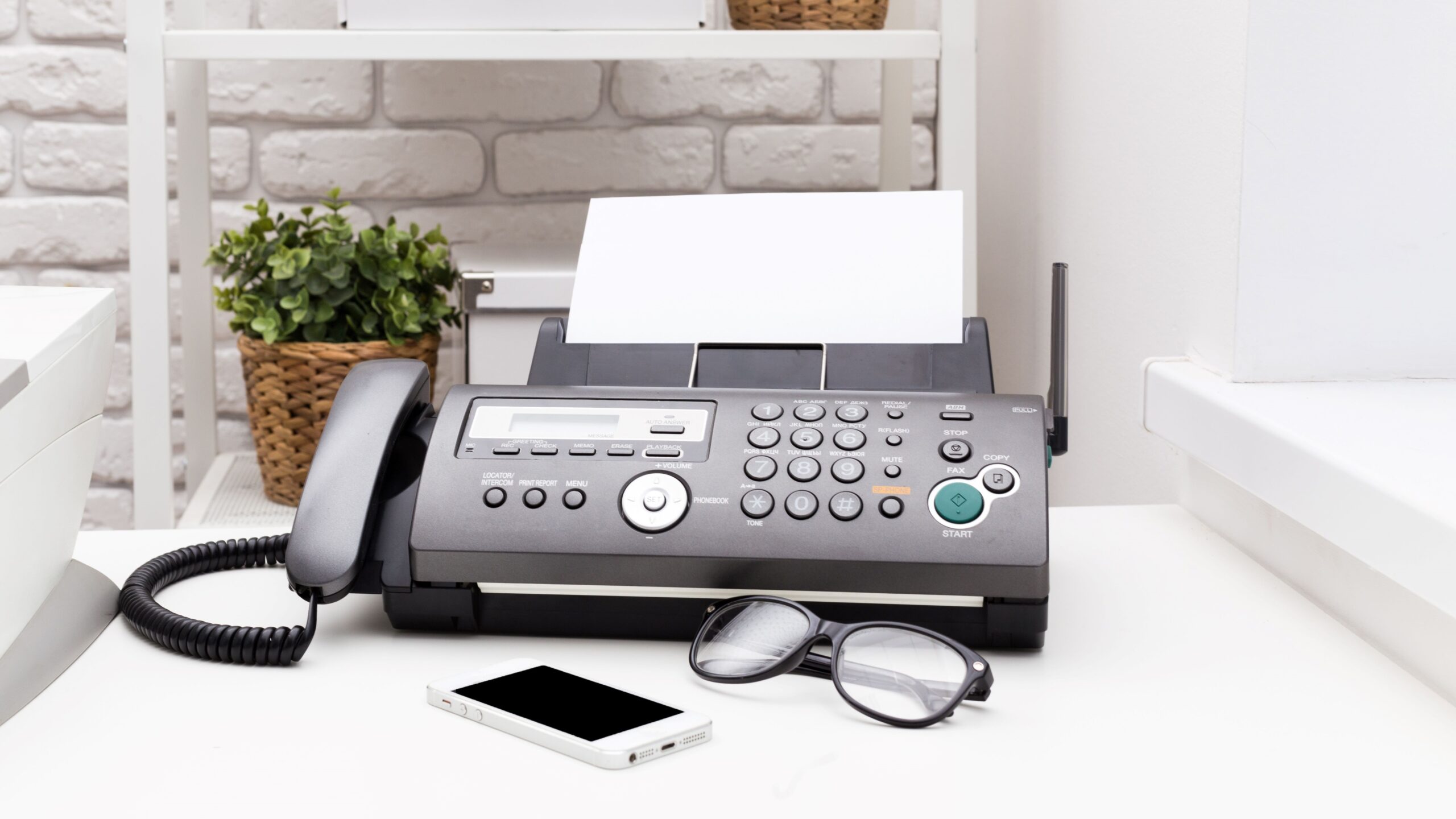
You might think fax machines belong in a museum alongside rotary phones and typewriters, right? Surprisingly, in the US banking sector, fax machines are far from obsolete. Despite the rise of emails, secure apps, and digital signatures, banks continue to rely heavily on fax for critical communications. Why? The answer lies in a mix of tradition, regulation, and the specific needs of banking security.
Historical Context of Fax Machines in Banking
The Rise of Fax Machines in the 1980s and 1990s
Back in the 1980s and 1990s, fax machines completely transformed how banks communicated internally and externally. Prior to fax technology, banks relied heavily on postal mail and phone calls, both of which presented significant challenges. Postal mail was slow and could be delayed for days, which was impractical for time-sensitive banking transactions. Phone calls, while instant, lacked a tangible record and often required lengthy verbal confirmations that could lead to misunderstandings or errors. Fax machines bridged this gap by enabling banks to send signed documents and forms instantly, revolutionizing the speed and reliability of communication. This change improved operational efficiency, reduced processing times for approvals, and helped banks serve customers faster.
Moreover, the fax machine became a critical tool for managing sensitive financial documents that required signatures and verification. Unlike phone conversations, faxes produced a physical record that could be archived, audited, and referenced later. This reliability made fax technology the backbone of many banking workflows. Many financial institutions quickly adopted fax as the new standard for document exchange, integrating it into loan processing, compliance checks, and customer communications. This era marked the beginning of fax’s long-standing role in banking, one that has surprisingly persisted well into the digital age.
Initial Advantages for Banks Using Fax over Mail and Phone
Fax machines offered banks something neither postal mail nor phone calls could provide—a tangible, signed copy of documents delivered almost instantly. This was crucial for the banking industry where signed contracts, loan applications, and approvals must be verifiable and recorded. Unlike mail, which could take days or even weeks, fax ensured that documents reached their destination within minutes, dramatically reducing delays and accelerating decision-making processes. Fax also provided confirmation receipts, giving senders proof that the document was successfully transmitted, which was vital for compliance and audit trails.
Additionally, compared to phone calls, fax transmissions provided a clear and unambiguous record of communication. Phone conversations could lead to misinterpretations or forgotten details, while faxed documents left no room for doubt about the terms agreed upon. This immediacy and reliability helped banks maintain strict regulatory compliance and reduced risks of fraud or disputes. To summarize, the initial advantages of fax for banks included:
- Instant transmission of signed and official documents
- Reliable proof of delivery through confirmation receipts
- Tangible, verifiable records for compliance and audits
- Reduced delays compared to postal mail
- Clear documentation avoiding verbal misunderstandings
Current Usage of Fax in US Banks
Statistics on Fax Usage in Financial Institutions
Even today, fax machines remain surprisingly prevalent in the US banking sector. Multiple industry reports and surveys indicate that despite the growth of digital communication tools, a large percentage of banks continue to rely on fax for certain transactions. Estimates show that anywhere from 60% to 70% of some types of banking documents are still transmitted via fax. This persistence is particularly noticeable among community banks and smaller financial institutions, which may lack resources to fully transition to newer digital platforms.
This continued usage is driven by a combination of regulatory requirements, legacy system dependencies, and customer preferences. While larger banks may integrate fax with digital faxing services or secure email solutions, fax remains a standard method of communication for many. The resilience of fax technology reflects banks’ cautious approach to adopting new tools—especially when sensitive financial data and legal compliance are involved. The statistics underline that fax is not a relic but an active component of modern banking communication in the US.
Common Banking Documents Still Sent via Fax
Banks regularly send a variety of important documents via fax because these often require signatures, immediate acknowledgment, or legal verification. The types of documents commonly faxed include:
- Loan applications and approvals
- Signed contracts and agreements
- Credit approvals and underwriting documents
- Compliance forms required by regulators
- Wire transfer authorizations and confirmations
These documents are often time-sensitive and legally binding, making fax an ideal communication method. Faxing allows banks to obtain quickly signed copies from clients, counterparties, or internal departments, helping maintain smooth operational flow. Additionally, fax provides audit trails through transmission confirmation, which is crucial for compliance teams verifying that documents were received intact and on time. In many cases, fax acts as a trusted bridge between traditional paperwork and modern banking processes.
Why Fax Machines Persist Despite Digital Alternatives
Regulatory and Compliance Factors
Banks in the United States operate under very strict regulations such as the Gramm-Leach-Bliley Act and the Sarbanes-Oxley Act. These laws require secure, verifiable communication methods when transmitting sensitive financial information. Fax machines meet these requirements by providing a method to send signed documents that satisfy legal standards for authenticity and security. Because faxes generate physical or digital confirmation receipts, banks can ensure that they have verifiable proof of document transmission, which is critical for audits and regulatory compliance.
Furthermore, compliance officers prefer fax technology because it offers a straightforward way to maintain complete audit trails. Unlike some digital communication methods that may lack sufficient logging or archiving capabilities, fax transmissions come with clear timestamps and transmission reports. This is especially important in banking, where any discrepancy or missing documentation can lead to regulatory penalties or legal complications. Fax’s compliance-friendly features make it a practical choice for institutions navigating a complex regulatory landscape.
Security Perceptions and Risk Management
Many banks view fax machines as inherently more secure than email or other internet-based communication tools. Unlike email, which can be intercepted, hacked, or altered while in transit over the internet, traditional fax lines often operate as direct point-to-point connections. This reduces the risk of unauthorized access or data breaches. Banks appreciate this “closed-circuit” nature of fax transmissions, as it provides an added layer of security when sending highly confidential information such as loan applications or customer identification documents.
Moreover, banks sometimes enhance fax security by using encrypted fax services or secure digital fax gateways, combining the benefits of traditional fax with modern cybersecurity measures. This hybrid approach reassures institutions that sensitive documents are protected both in transit and at rest. Because risk management is a top priority for banks, the perception—and reality—of fax as a low-risk communication channel keeps it in active use despite the rise of digital alternatives.
Legal Acceptance of Faxed Documents
Faxed documents often hold legal weight equal to their paper originals. In U.S. courts and regulatory audits, fax transmissions are generally accepted as valid evidence, provided they include signatures and timestamps. This legal acceptance gives fax machines a unique advantage when dealing with formal agreements, contracts, or compliance-related paperwork. Banks rely on this recognition to quickly exchange legally binding documents without waiting for physical mail or in-person delivery.
This legal status also facilitates faster turnaround times on transactions that require signed authorization, such as loan approvals or wire transfer authorizations. Since faxed copies are admissible in court, banks avoid costly delays or duplicative efforts to secure physical originals. This not only streamlines operations but also reduces operational risks. The strong legal standing of faxed documents reinforces why fax remains indispensable in banking communications.
| Factor | Description | Advantages | Banking Use Cases |
| Regulatory Requirements | Laws require secure, verifiable communication | Compliance-friendly, supports audit trails | Signed contracts, regulatory filings |
| Security Perceptions | Direct line transmission reduces hacking risk | Lower vulnerability to cyber attacks | Transmitting confidential client data |
| Legal Acceptance | Faxed docs are legally valid like originals | Documents accepted in court and audits | Loan agreements, wire transfer authorizations |
Fax vs. Email and Other Digital Communication Methods
Comparing Security Protocols
Email, especially when unsecured or improperly configured, is vulnerable to interception, spoofing, or unauthorized access. Messages can be intercepted by hackers, phishing attacks can compromise credentials, and attachments can be tampered with or infected with malware. In contrast, fax lines operate on dedicated phone circuits or secure digital fax networks that provide point-to-point transmission. This setup limits exposure to third parties, making fax communication inherently less susceptible to cyber threats.
Some banks further improve fax security by implementing encrypted fax solutions or secure digital fax platforms that combine fax convenience with modern cybersecurity practices. These hybrid solutions allow institutions to maintain compliance with security policies while benefiting from fax’s ease of use and auditability. The combination of physical and digital protections makes fax a safer choice than standard email for transmitting sensitive or legally binding documents.
Reliability and Audit Trails
Fax machines produce automatic confirmation receipts, which prove that a document was successfully transmitted and received. This serves as a reliable audit trail that banks can use for recordkeeping, compliance verification, and dispute resolution. In contrast, emails can easily get lost in spam folders, be deleted unintentionally, or fail to reach the intended recipient without the sender knowing. Such uncertainties make email less reliable for critical banking documents.
Having a clear and indisputable audit trail is essential for banks, especially when dealing with legal documents, financial approvals, or compliance forms. Fax confirmations provide undeniable proof of transmission, making them invaluable during internal audits or regulatory inspections. This level of accountability and traceability helps banks reduce risks related to miscommunication or lost paperwork.
Speed and Convenience Differences
Email is generally faster and more convenient for casual or informal communication. It allows sending messages instantly across the globe and supports attachments of various digital formats. However, when it comes to formal documents that require signatures, verifications, or immediate acknowledgment, fax remains the preferred method. Many clients, especially older ones or smaller institutions, still prefer fax due to its simplicity and the tangible confirmation it provides.
Additionally, fax machines integrate smoothly with traditional banking workflows, reducing friction during document exchange. Despite new digital tools available, the practical convenience of fax—combined with its trustworthiness—makes it a reliable communication channel. This balance of speed, convenience, and reliability is why fax continues to coexist with email and other digital communication methods in banking.